The Matariki Festival in New Zealand is more than just a time to gaze at the stars – it’s a rich celebration of culture, heritage, and cuisine. As the Māori New Year arrives with the rising of the Matariki star cluster, communities gather not only to reflect but also to enjoy traditional dishes that have connected people to the land for generations.
In this guide, we dive deep into the flavors of Matariki. Whether you’re a curious traveler or a local keen to reconnect, exploring food during the Matariki Festival is an experience not to be missed.
Hāngī – The Heart of Matariki Cuisine
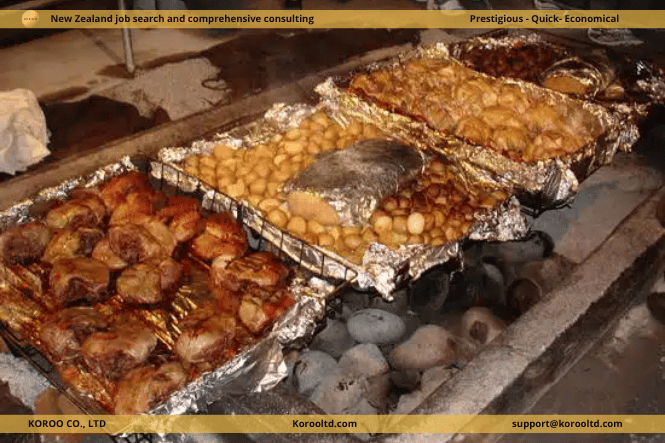
No Matariki celebration is complete without Hāngī – the traditional Māori earth oven. Meat, vegetables, and sometimes seafood are wrapped and slow-cooked underground using heated stones. The result is tender, smoky-flavored food that speaks of tradition, community, and the land.
Popular Hāngī ingredients include:
- Kūmara (sweet potato) – a staple crop in Māori agriculture.
- Lamb, chicken, and beef – providing heartiness and richness.
- Seasonal vegetables – including pumpkin, cabbage, and carrots.
- Seafood like pāua (abalone) and mussels – connecting the meal to the sea.
Other Māori Dishes to Try During Matariki
Beyond Hāngī, the Matariki Festival is a great opportunity to sample lesser-known traditional Māori foods:
- Rewena bread – A sourdough-style bread made with a fermented potato starter, offering a slightly tangy, chewy texture.
- Boil-up – A hearty soup with pork, kūmara, greens, and dumplings – perfect for winter warmth.

- Kānga pirau or kānga waru – Māori-style corn puddings, rich in flavor and deeply satisfying.
- Pikopiko – Young fern fronds, often steamed or stir-fried, bringing a native forest taste to the table.
These foods not only nourish but also reflect ancestral knowledge and spiritual connection to the environment.
Food and Culture Intertwined
Each dish during the Matariki Festival carries cultural meaning. The Matariki star cluster is made up of nine stars, each connected to a natural element – such as Waitī (freshwater), Waitā (saltwater), and Tupuānuku (food grown in the earth). Traditional meals during Matariki often honor these connections by including foods from rivers, oceans, and gardens.
Joining in a Hautapu ceremony, where food is cooked and offered to the stars, is one of the most sacred ways to participate in the festival.
Where to Enjoy Matariki Food Experiences
Looking to explore food during the Matariki Festival in person? Here are a few ways:
- Marae community events: Local gatherings often include shared Hāngī meals, storytelling, and kapa haka performances.
- Food markets and night events: Many towns host Matariki-themed markets with food stalls selling traditional and modern Māori cuisine.
- Workshops and cooking classes: Learn how to prepare Hāngī, rewena bread, and more while discovering the stories behind each dish.
To find events near you, visit the official Matariki website.
Why You Should Explore Food During the Matariki Festival
- Deepen your cultural understanding through flavors rooted in centuries of Māori tradition.
- Share meals with locals in welcoming community settings.
- Connect with nature and the seasons, as Matariki reminds us of the cycle of life and harvest.
Conclusion: A Celebration of Flavor and Heritage
Exploring food during the Matariki Festival is about more than what’s on the plate. It’s a journey into the heart of Māori culture, a tribute to ancestors, and a delicious way to honor the New Year. Whether you’re sitting around a Hāngī pit or tasting rewena bread for the first time, these moments offer a unique lens into Aotearoa’s rich heritage.
>>>> Learn more about Matariki events: https://matariki.co.nz/events-and-activities
>>>> Discover the Magic of the Matariki Night Sky in New Zealand
>>>> Matariki Festival New Zealand – A Meaningful Māori New Year