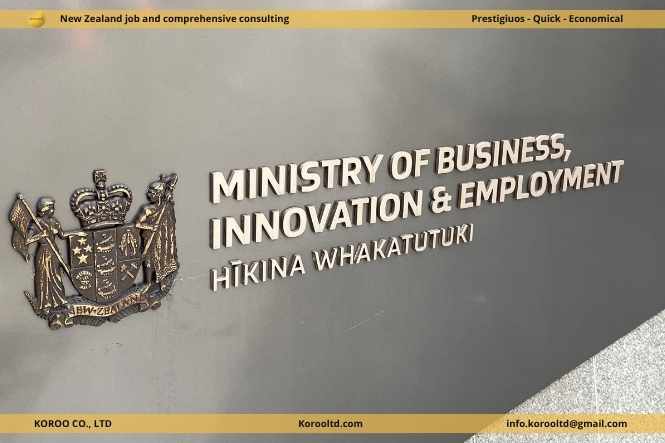
At the Ministry of Business, Innovation & Employment (MBIE) in New Zealand, the Labour Inspectorate is authorized to conduct inspections to ensure that businesses comply with minimum employment standards — including wages, working hours, leave entitlements, and record-keeping (Employment New Zealand).
If you are preparing for your journey to work in New Zealand, you cannot miss this article. This article explains when Labour Inspectors may visit a business, what employers and employees should prepare, and the consequences of non-compliance.
When can Labour Inspectors visit a business?
Labour Inspectors can visit at any time, even when the employer is not present. Below are the main triggers for such visits:
Unannounced inspections
Inspectors have the right to enter any workplace at “reasonable times” without prior notice if they have a valid reason.
Complaints or high-risk industries
If there are complaints from workers or the business operates in high-risk industries — such as hospitality, retail, food processing, or migrant labour — inspections are prioritized.
Routine audits or compliance checks
Apart from complaint-based inspections, the Labour Inspectorate also conducts industry-wide audits to verify compliance with labour laws.
Key standards that must be met include:
- Minimum wage compliance
- Paid leave entitlements
- Written employment agreements
- Accurate records of wages, working hours, and leave
Powers of Labour Inspectors
Employers and employees should understand the legal powers and requests that inspectors may exercise:
- Inspectors can enter the workplace, interview employers and employees, and request documents such as employment contracts, payslips, time records, leave records, and overtime details.
- Employers must provide records immediately when requested.
- Inspectors can issue enforceable undertakings, improvement notices, or impose financial penalties for serious breaches.
- Inspectors may work jointly with other agencies, such as Immigration New Zealand, in cases involving migrant workers.
How employers can prepare
1. Comply with written employment agreements
Ensure that every employee has a written employment agreement compliant with New Zealand law.
Contracts must clearly state job titles, pay rates, working hours, and employment type.
2. Maintain accurate records
Keep records of wages, working hours, overtime, leave, and sick days.
All records must be ready for inspection upon request.
3. Ensure fair pay and entitlements
Verify that employees are paid at least the minimum wage or the relevant industry standard.
Provide correct entitlements for leave, overtime, and insurance where applicable.
4. Conduct internal checks and staff training
Employers should regularly train staff on their rights and obligations and perform internal audits to identify potential issues before inspections occur.
When an inspection takes place
- Cooperate, but you have the right to ask to see the inspector’s official warrant or ID.
- Provide requested documents immediately and do not obstruct the inspection.
- If the employer is absent, inspectors can still proceed and must leave a notice confirming their visit.
What employees should know
Employees have the right to report violations such as underpayment, unpaid overtime, unclear contracts, or denied leave.
If inspectors visit, employees should cooperate and provide truthful information if asked — but they have the right not to answer questions that could incriminate them.
Employees should keep copies of their employment agreement, payslips, and working hours to protect their rights during inspections.
Reports of violations can be submitted directly through the Labour Inspectorate’s online system.
To avoid any potential legal risks, workers should seek reputable sponsoring employers, comply with employment law, and avoid unofficial or illegal work arrangements.
Consequences of non-compliance
If a business is found in breach of labour laws:
- Employers may be fined and required to repay owed wages or leave entitlements.
- Businesses may be banned from hiring migrant workers or suspended as accredited employers.
- Repeat offenders may face prohibition from running or managing a business for a certain period.
Conclusion
Whether you are an employer or an employee in New Zealand, understanding your rights and obligations under the Labour Inspectorate framework is essential. Proactive compliance, proper record-keeping, and internal training not only protect workers’ rights but also safeguard businesses from costly penalties.
Koroo’s Employment Service — Your trusted bridge to a compliant and sustainable career in New Zealand
Our job search service for Vietnamese people in New Zealand helps you secure legitimate, well-supported employment in a law-abiding environment.
With a team of experts who understand the New Zealand labour market, we assist you from career consultation and document preparation to interview support and job placement.
All processes are transparent, time-efficient, and cost-effective for workers. This is not only a job solution but also a pathway to long-term settlement and career growth in New Zealand.
>>>>> Contact Koroo now for a free consultation and start your career journey in New Zealand today! <<<<<