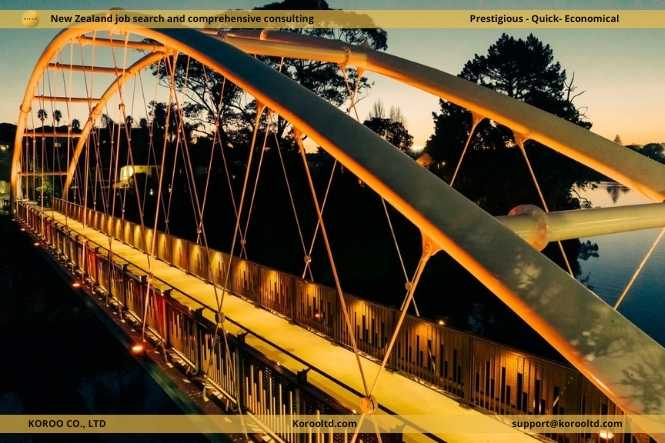
For more than a year, the Panmure Basin area in Auckland had no pedestrian bridge, but now it officially boasts a new landmark – Te Kōpua o Hiku Bridge, a unique cultural and environmental artwork that is also becoming a must-visit check-in spot in New Zealand.
Highlights of the New Check-in Destination
This 60-metre-long bridge replaces the old Jubilee Bridge, which was closed in July 2023 due to safety concerns. The project was completed ahead of schedule and under budget, becoming a model of collaboration between Ngāti Pāoa, the Maungakiekie-Tāmaki Local Board, Auckland Council engineers, and the public art team.
The bridge was prefabricated off-site, assembled in Pakuranga, and lifted into place by a 600-tonne crane in December 2024.
One of Te Kōpua o Hiku’s most striking features is its interactive lighting system, which responds to wind and weather data, creating a vibrant and distinctive living artwork. The bridge is one of five projects that received praise from the Mayor for its innovative design while still ensuring cost. It has truly created a new “heartbeat” for the area.
A Shimmering Piece of Art
Another remarkable aspect is the integration of artistic elements that bring freshness and visual appeal.
The designs acknowledge the long-standing presence and rich history of Ngāti Pāoa. They celebrate the tribe’s resilience, transformation, and renewed abundance, expressed through a collaborative work by lead artist Janine Williams (Ngāti Pāoa, Ngāti Whātua ki Kaipara, Ngāti Mahuta) and Shannon Novak (Croatia, Tarara).
Symbols of protection and perseverance run throughout the piece, honouring the heritage of Mokoia Pā – a wāhi tapu (sacred site) that holds the stories and aspirations of a people once renowned for their mighty waka fleets and fertile māra kai (food gardens) that sustained generations across the land.
A Symbol of Health and Community Connection
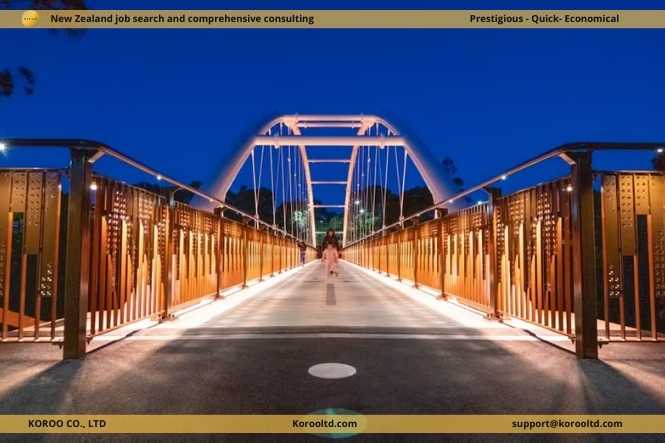
The pedestrian bridge serves not only local residents but also people from across Auckland. The area is a hub for daily exercise, cycling, and small group gatherings, fostering an active and social community space.
Environmental Protection
The bridge also helps protect the habitat of local wildlife, especially the rare shag colony in the area.
Thanks to its smart design, the project functions both as transport infrastructure and as a public art installation, utilising art funding to support construction costs.
Celebrating Local Culture and Legends
The name Te Kōpua o Hiku comes from Ngāti Pāoa and is linked to the taniwha Moko-ika-hiku-waru in Māori legend. The bridge features 30 tukutuku panels that respond to wind and light; during the day, it’s a scenic walking spot, and at night, it changes colours based on weather conditions until 10pm.
Ngāti Pāoa also led the dawn opening ceremony with karakia (traditional prayers), sharing the history and meaning behind the bridge’s name.
A Cultural and Tourism Asset for Generations
Auckland Council has invested NZD 1.2 million over nine years into the public art component, as part of its long-term commitment to integrating culture and creativity into urban infrastructure. Around 430 native trees have been planted around the site, and a new 380m² walkway has been opened to enhance community connectivity.
The bridge is built to last 100 years and is expected to become a cultural and tourism highlight not only for Panmure but for Auckland and international visitors.
New Zealand – A Land of Beauty and Well-being
New Zealand is world-famous for its stunning landscapes and rich nature. Beyond that, the government prioritises the welfare and quality of life of its people. Living and working in such a desirable country is a dream for many.
If you are looking for new opportunities abroad, remember KOROO – we bring trusted job opportunities and transparent visa solutions. Contact us today!
>>>>> Why International Workers Choose New Zealand
>>>>> Visa New Zealand: Regulations for Extending Work Visas