Whoosh, a company from New Zealand, is developing a new urban cable car system aimed at reducing traffic congestion in large cities. According to information from New Atlas on January 15th, this new cable car system features notable improvements that provide an efficient, safe, and cost-effective transportation solution.
Watch a computer simulation of how Whoosh would look in a city here:
Automated Cable Car System: Convenient and Flexible
A standout feature of the Whoosh cable car system is that the cabins are equipped with individual motors and the ability to automatically switch between routes, allowing them to move flexibly through a complex cable network. Each cabin can switch from one route to another without needing to follow a fixed path, reducing travel time and construction costs compared to traditional cable car lines.
With a design resembling flying taxis, these cable car cabins operate completely separate from ground traffic. Although their speed is not as fast as flying taxis, they offer convenience, safety, and are quieter. This system can serve transportation needs in densely populated areas where traffic is often congested.
Space-Saving Cable Car Stations and Optimized Traffic Flow
Whoosh’s cable car stations are compact and can fit within a standard parking lot, with a spiral staircase leading up to the cable network, which is approximately 12 meters high. Larger stations can also be constructed directly on the ground. Notably, each station will have its own dedicated cable loop, ensuring that when cabins stop, they don’t block other cabins from moving through the system.
Cable Cars Can Overcome Challenging Terrain
One of the unique aspects of the Whoosh cable car system is its ability to overcome difficult terrain without requiring substantial investment. The cable routes can cross rivers, bridges, highways, and even run along the rooftops of buildings, without being bound by existing road networks. Each cabin is equipped with a battery under the floor to power onboard amenities such as air conditioning, Wi-Fi, and entertainment devices.
High Speed, Safety, and High Efficiency
Although the speed of the cabins in the Whoosh cable car system is expected to average around 40 km/h, since they do not need to stop like other forms of transportation, this system promises to be much faster than moving through congested urban areas. The ability for cabins to switch between tracks at intersections using small transfer wheels optimizes traffic flow and minimizes waiting times.
Lower Infrastructure Costs Compared to Other Transportation Modes
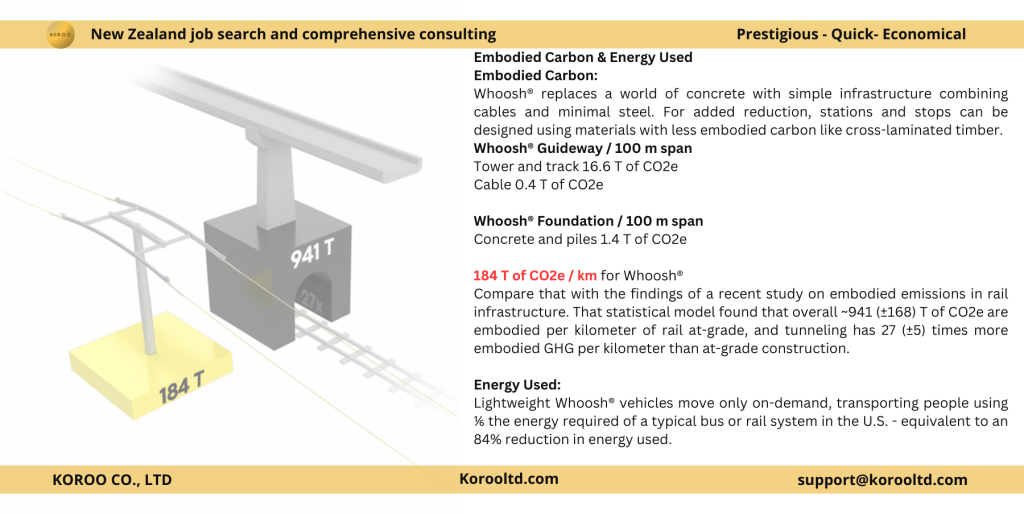
According to Chris Allington, the founder and CEO of Whoosh, the cost of building this cable car system is much lower than other ground transportation methods. Conventional road infrastructure can cost between 10 to 20 million USD per kilometer, while light rail systems can cost up to 100 million USD per kilometer. In contrast, Whoosh’s cable car infrastructure is estimated to cost only about 5 million USD per kilometer, significantly reducing costs for cities and countries seeking efficient transportation solutions.
Whoosh Cable Car Network: A Vision for the Future
Currently, Whoosh is developing full-scale cable car prototypes and plans to launch a test project in Queenstown, New Zealand, in 2026. In addition to passenger transportation, the company is also exploring the possibility of developing a similar system for freight transport.
With its significant potential for growth and cost-effective infrastructure, the Whoosh urban cable car system could become a key solution to the traffic congestion problem in major cities, while also opening up new opportunities for the development of urban transportation in the future.
Contact Now to Koroo, We’ll take care everything for you during the early day working at New Zealand.