Should You Go Abroad for Work?
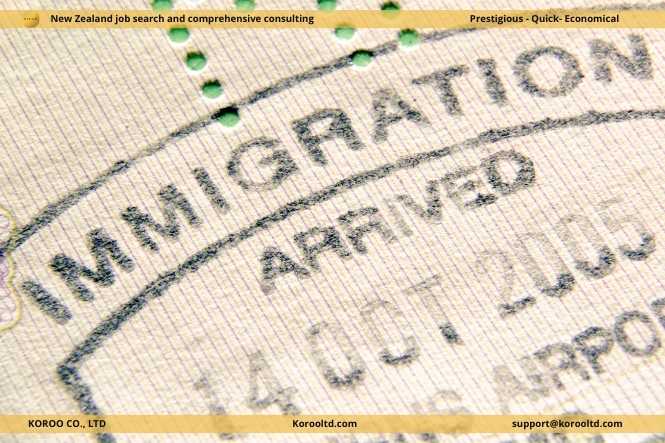 Overseas labor programs are becoming a popular choice for many Vietnamese workers seeking higher income, financial stability, and long-term settlement opportunities. Compared to working in unskilled domestic jobs, working abroad offers:
- Higher salaries: On average 3–5 times higher than in Vietnam.
- Professional working environment: Exposure to modern technology and production systems.
- Pathway to residency: In some countries, certain occupations are prioritized for immigration.
However, working abroad also comes with challenges: higher upfront costs, language requirements, work pressure, and family separation.
How to Choose the Right Labor Market
To select the most suitable country, workers should consider:
- Finances: If your budget is limited, Asian markets like Japan or Taiwan have lower costs.
- Residency goals: For those aiming for long-term settlement, countries like New Zealand, Australia, or Canada are better options.
- Skill level: Skilled workers may choose Europe or New Zealand, while unskilled workers often go to Japan or South Korea.
- Cultural fit and lifestyle: Choose a country whose culture and living environment match your preferences.
Top 5 Countries with the Most Vietnamese Overseas Workers

1. Japan
- Salary: 30–40 million VND/month.
- Industries: Mechanical work, construction, caregiving, agriculture.
- Advantages: Low initial cost, high demand.
- Disadvantages: Strict regulations, Japanese language certificate required, no clear residency opportunities, and restrictions for certain regions of Vietnam.
2. Taiwan
- Salary: 20–30 million VND/month.
- Industries: Elderly care, electronics manufacturing.
- Advantages: Simple procedures, fewer language requirements.
- Disadvantages: Competitive work environment, Mandarin certificate required, no residency pathway, restrictions for some workers.
3. South Korea
- Salary: 35–45 million VND/month.
- Industries: Agriculture, fisheries, manufacturing.
- Advantages: Geographically close to Vietnam, similar culture.
- Disadvantages: Strict Korean language requirements, no residency opportunities, competitive work conditions, restrictions for some workers.
4. New Zealand
- Salary: 50–70 million VND/month.
- Industries: Meat processing, construction, agriculture, engineering.
- Advantages: High chance of permanent residency, safe living environment.
- Disadvantages: Highly competitive job market.
>>>>> Working in New Zealand: Salary and Costs for Vietnamese Workers
5. Germany
- Salary: 40–60 million VND/month.
- Industries: Nursing, mechanical engineering, construction.
- Advantages: Clear immigration policies, structured training.
- Disadvantages: German language certificate required, competitive environment.
Should You Choose New Zealand for Overseas Work?
Working in New Zealand is becoming an increasingly attractive option for Vietnamese workers due to:
- High wages: Median wage of NZD 33.56/hour (equivalent to 500–700 million VND/year).
- Residency opportunities: Many occupations are on the Green List (shortage list), allowing workers to apply for residency after 2 years.
- Insurance benefits: Workers receive full accident insurance (ACC), access to public healthcare (if visa exceeds 2 years), and KiwiSaver retirement savings.
- Quality of life: New Zealand is known for safety, natural beauty, and political stability.
Requirements to work in New Zealand:
- English skills (IELTS 4.0 or PTE 29+ for work visas; IELTS 6.0 or PTE 36+ for residency).
- Higher upfront costs compared to Asian countries.
Working abroad opens up many opportunities, but the best country for you depends on finances, residency goals, industry, and personal preferences.
- New Zealand → Ideal if you want high income, safe living conditions, and strong residency pathways.
- Germany → Suitable if you want a clear residency program and structured career training.
- Japan & Taiwan → Best if you need lower costs and faster deployment.
Koroo – Your trusted partner for Vietnamese workers seeking opportunities in New Zealand.