Did you know?
- According to the World Population Review, New Zealand ranks 4th safest country globally, and 1st in the Asia-Pacific region, emphasizing its high level of safety and security for residents.
- New Zealand’s employment rate remained stable at 68.4% in Q2 of 2024.
- The average weekly income from wages and salaries in New Zealand rose to NZD 1,273 in 2023, a 7.1% increase compared to the previous year’s NZD 1,189.

Job opportunities in New Zealand offer a promising career future—whether you are in a highly skilled profession or a general labor field.
Beyond salary expectations, workers are particularly drawn to the Kiwi work culture. On average, people work from 8 a.m. to 5 p.m., excluding lunch breaks. Unlike most Vietnamese workers who often put all their energy into earning quickly, New Zealanders value work-life balance over the “hustle for money” mindset.
If you’re also looking for a job opportunity that opens up a better future for you and your family, New Zealand is definitely a choice worth considering. Below is a breakdown of salary statistics for workers in New Zealand:
Salary by Education and Experience
As in any country, holding a university degree or higher qualifications and certifications typically results in higher pay.
Especially in general labor sectors, higher English proficiency scores and better communication skills lead to better chances of higher wages.

Age and Gender Differences
There is a noticeable wage gap between men and women in New Zealand, as jobs generally require specific skill levels.
According to statistics:
- A male butcher or slaughterer earns an average of NZD 26,100
- Whereas a female butcher or slaughterer earns about NZD 27,800.
This indicates that female workers earn approximately 6% more than males in the same position.
Despite the fact that fewer women are selected in the meat processing industry, this data shows that those selected tend to have higher skill levels, resulting in better pay.

By Location
Urban centers like Auckland and Wellington offer higher salaries due to higher living costs and higher-paying industries, while smaller towns may offer lower salaries but also lower living expenses.
Auckland Residents Feel Happy with Their Quality of Life
What Are the Regulations for Average Salary in New Zealand?
| Region | Average Annual Salary |
|---|---|
| Wellington | NZD 70,000–75,000 |
| Auckland | NZD 68,000–72,000 |
| Christchurch | NZD 65,000–68,000 |
| Other regions | NZD 60,000–65,000 |
Company Size and Profitability
Larger companies tend to offer better wages and benefits compared to smaller businesses. This is often due to their greater ability to offer competitive compensation packages to attract top talent.
Skill Supply and Demand
- High-demand and low-supply skills lead to higher wages.
- Oversupply of skills may cause wages to stagnate or decline.
Wages in the Meat Processing Industry in New Zealand
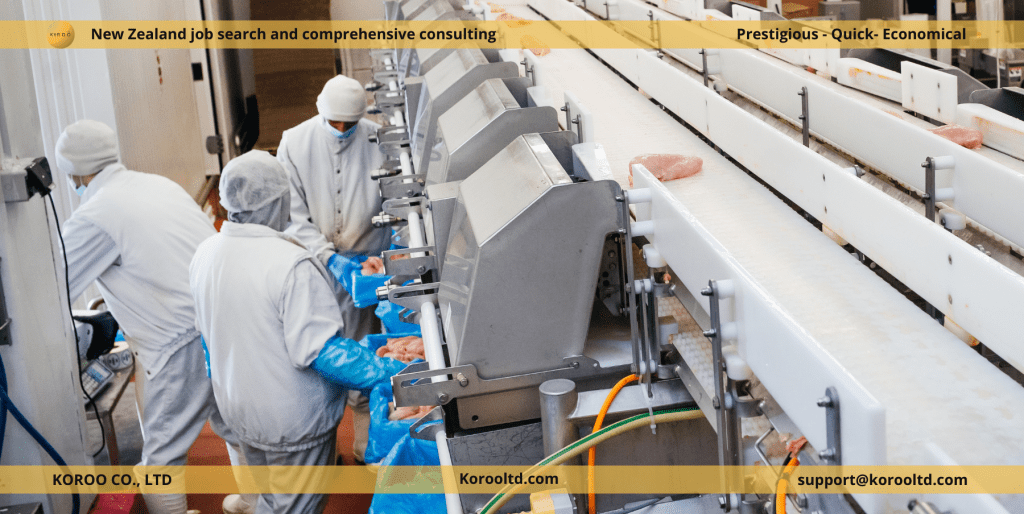
Meat Processor:
- Average wage: NZD 26/hour (~NZD 54,345/year)
- Salary range: NZD 40,596 – 64,019/year
(Source: ERI Salary Expert)
Butcher:
- Average wage: NZD 26–36/hour
- Experienced or managerial butchers: Up to NZD 44/hour
(Source: Careers NZ)
Meat/Seafood Process Worker:
- Average wage: NZD 25–28/hour
- Experienced workers (under 2 years): Up to NZD 66,000/year
- Supervisors: Up to NZD 86,000/year
(Source: Careers NZ, Wintec)
The median salary for a Meat Processor or Slaughterer in New Zealand is NZD 27,400, meaning:
- 50% of workers earn less than NZD 27,400
- 50% earn more.
If you’re earning above the average salary, you’re considered well-compensated. If not, your goal should be to reach or surpass the average—whether through a raise, a better-paying job, or upgrading your skills.
GOOD NEWS: New Zealand’s Red Meat Exports Reached $1.1 Billion in February
NEW ZEALAND JOB OPPORTUNITIES –MEAT PROCESSING
Understanding Minimum Wage Regulations
Calculating monthly or yearly income in New Zealand can be tricky, especially for first-time migrants. With thousands of immigrants and residents applying for jobs, New Zealand sets a higher minimum hourly wage to ensure fair pay.
Current Minimum Wage Regulation:
- The official minimum wage is now NZD 23.55/hour.
- Accredited employers must guarantee at least 30 hours/week.
Wages can be higher or lower depending on your skill level.
Ready to land your next high-paying job in New Zealand?
Not sure where to start? Start by contacting KOROO for expert consultation, job matching, and connection with reputable, accredited employers.