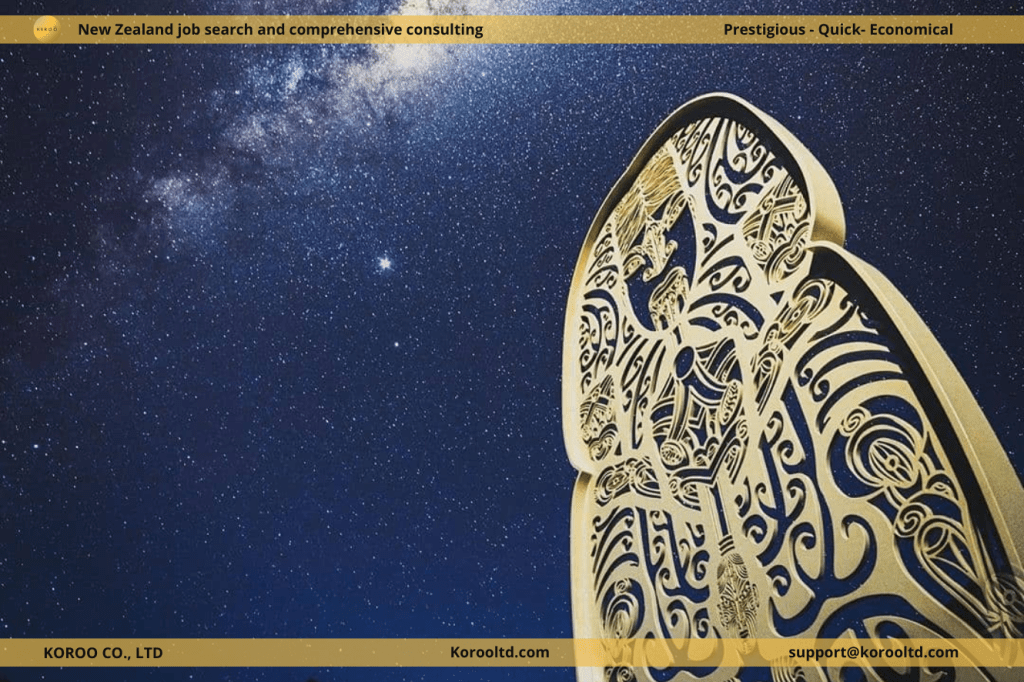
In New Zealand, the Māori people believe that their ancestors come from an island or group of islands in the Polynesian region of the South Pacific. The language and culture of the Māori people show clear similarities with other regions of Polynesia, such as the Cook Islands, Hawaii, and Tahiti.
The Māori people are known for their rich culture and unique identity. Thanks to these distinctive features, Māori culture not only survives but also thrives in the modern world. As the first people to arrive and settle in New Zealand, it is no surprise that Māori people make up 15.1% of the country’s population.
One of the most notable cultural traits of the Māori people is their special greeting ritual called the “Hongi” This is a gesture of pressing noses together, followed by a handshake. Additionally, the Māori people also have the Powhiri ceremony, a traditional ritual to welcome distinguished guests.
During his visit to New Zealand, Prime Minister Pham Minh Chinh and his wife Le Thi Bich Tran, were greeted in this manner by Māori leaders (Kaikorero) and the head Kaikaranga with the “hongi” greeting.

In 2014, British Duchess Kate Middleton also participated in this ritual when meeting Māori leader Lewis Moera.

The Origin and Meaning of Hongi

Hongi originates from Māori folklore, related to the myth of human creation. The act is believed to convey the breath of life from the Māori ancestors. According to legend, the god Tāne-nui-a-Rangi, an ancestor of the Māori people, created the first woman, Hine-ahu-one, and breathed life into her by touching his nose to hers. Therefore, “hongi” is not just a social gesture but a symbol of the connection of life.
Hongi in Māori Culture
Hongi is not only practiced in ceremonies for welcoming leaders or royals but also plays an integral role in the Māori people’s sporting events, such as tennis tournaments. After every match, the Māori participants will come together and perform the hongi as a way to show respect.
Visitors to New Zealand can also participate in the hongi with the locals as a way to connect and express respect. To do it correctly, you will shake hands with the other person, lean forward, and gently press your nose and forehead together. This is a special way to establish a connection between two people, breaking down geographical and cultural barriers.
The Diversity and Cultural Respect
According to Professor Te Hurinui Clarke from the University of Canterbury, hongi has many variations depending on the region and perspective. In some areas, the action is simply a nose touch, while in others, it also involves touching foreheads, signifying an exchange of breath and knowledge. He also shared that in his homeland, the hongi ritual includes two nose touches: the first is to greet the other person, and the second shows respect for their ancestors.
Although some visitors may feel hesitant about making direct nose contact, this is an essential part of Māori cultural identity. It is because of this custom that the Māori world becomes fascinating and worth exploring.
Respect and National Greeting
Hongi is considered the national greeting of New Zealand, a crucial part of the cultural exchange between various traditions. The widespread practice of this ritual demonstrates the respect and deep values that the Māori have cultivated over generations. It is not just an important part of the Powhiri ceremony but also a profound cultural symbol for the Māori people, helping to connect individuals and bridge cultural divides.
As Professor Clarke pointed out, the key is not just the ritual itself but the spirit and respect shown to the other person. Hongi is not only an act of connection but also a symbol of the convergence of humans and nature, of the past and the present, and of different cultures coming together.
>>>>> Read more: Job in New Zealand