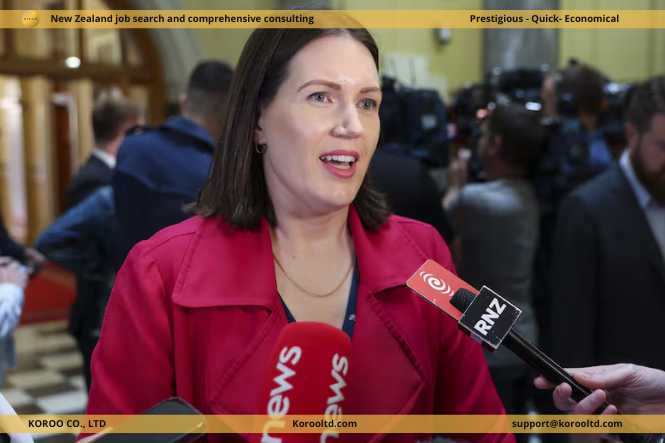
On September 23, 2025, New Zealand’s Minister for Workplace Relations and Safety, Brooke van Velden, announced the repeal of the Holidays Act 2003 and its replacement with the new Employment Leave Act. The purpose of this reform is to simplify the way leave is calculated and ensure workers receive their full entitlements.
Let’s break down what has changed, when it takes effect, and how employees benefit from the new leave system.
Key Changes Compared to the Old Regulations
- Leave accrual by hours worked
- Annual and sick leave now accrue from the first day of employment, based on hours worked.
- Example: a 40-hour workweek equals 160 hours of annual leave and 80 hours of sick leave per year.
- Under the old Holidays Act, leave accrual was complicated, often leading to payroll errors and delayed payments.
- Flexible sick leave by the hour
Workers no longer need to take a full day off when only a few hours are required. This is especially beneficial for part-time or shift-based employees. - Special leave from day one
Entitlements such as bereavement leave and domestic violence leave apply immediately, without waiting periods. - Cash-out of unused leave
Employees can now request to convert up to 25% of unused annual leave into cash each year, subject to agreement with their employer. - Higher holiday pay for casual workers
Casual employees will now receive 12.5% leave pay on every hour worked, compared to 8% under the old law. - Transparent payslips and entitlements
Employers must provide detailed payslips showing wages, hours worked, and leave entitlements to ensure clarity and avoid disputes. - Protection after parental leave
Employees returning from parental leave will not lose their leave or sick leave entitlements because of previous leave usage.
When Will It Take Effect?
- After the Employment Leave Bill officially passes, there will be a 24-month transition period for businesses to update payroll systems.
- During this time, the Holidays Act 2003 remains in effect, ensuring workers’ rights are protected while the transition occurs.

What Do Workers Gain?
| New Regulation | Benefits for Employees |
| Leave accrual by hours | Fairer for casual, part-time, and shift workers |
| Sick leave by the hour | More flexibility and less income loss |
| Special leave from day one | Immediate protection for new employees |
| Cash-out option | Extra financial support if leave isn’t used |
| 12.5% holiday pay for casuals | More income for temporary workers |
| Transparent payslips | Greater trust and reduced disputes |
| Protection after parental leave | Ensures equal treatment for returning employees |
These reforms are especially advantageous for casual workers, part-time employees, and women, who were often disadvantaged under the previous leave rules.
The new Employment Leave Act marks a major step forward in New Zealand leave regulations. It brings more fairness, flexibility, and transparency for workers, while simplifying compliance for employers. Although businesses will need time to adapt, the long-term benefits for employees are significant.
If you are planning to work in New Zealand and want expert guidance on leave entitlements, wages, and visa options, contact Koroo today for professional support.
>>>>> Opportunities for the Meat Industry in New Zealand: Strong Growth with New Customs Agreement
>>>>> Sick Leave Rules in New Zealand: What You Need to Know
>>>>>Public Holidays & Leave Regulations In New Zealand
New Zealand job search service for Vietnamese people is the bridge to help you quickly access reputable and suitable career opportunities.
With a team of experts who understand the New Zealand labor market, we support from career consulting, preparing documents to accompanying during the interview process.
All processes are transparent, saving time and costs for workers. This is not only a job solution but also opens up sustainable settlement opportunities for the future.
>>>>> Contact Koroo now for free consultation and start your career journey in New Zealand today! <<<<<